Duration: The program is usually a two-year course, divided into semesters.
Eligibility: Candidates should have a bachelor's degree in chemistry or a related field from a recognized university. Some programs may have specific prerequisite courses.
Core Chemistry Courses
Advanced topics in organic, inorganic, physical, and analytical chemistry.
Laboratory Work
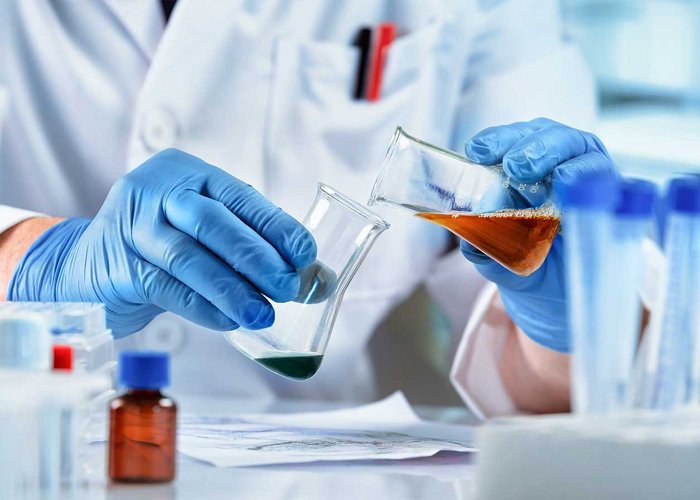
Practical experiments and research in laboratories to develop hands-on skills.
Electives
Specialized courses in areas such as biochemistry, medicinal chemistry, environmental chemistry, or materials science.
Research Project/Thesis
Many programs require students to complete a research project or thesis in their chosen area.
Research & Development
Research Scientist
Ph.D. Pursuit
Pharmaceutical & Biotechnology
Pharmaceutical Research
Biotechnology Research
Chemical Industry
Chemical Engineer
Process Chemist
Environmental Management
Environmental Chemist
Waste Management Specialist
Quality Control & Assurance
Quality Control Analyst
Quality Assurance Specialist
Teaching & Academia
Schools and Colleges
Universities
Analytical Services
Analytical Chemist
Forensic Scientist
Government Jobs
Government Laboratories
Public Health Officer
Material Science & Nanotechnology
Materials Scientist
Nanotechnologist
Food & Beverage Industry
Food Technologist
Flavor Chemist
Petroleum & Energy Sector
Petroleum Chemist
Energy Analyst